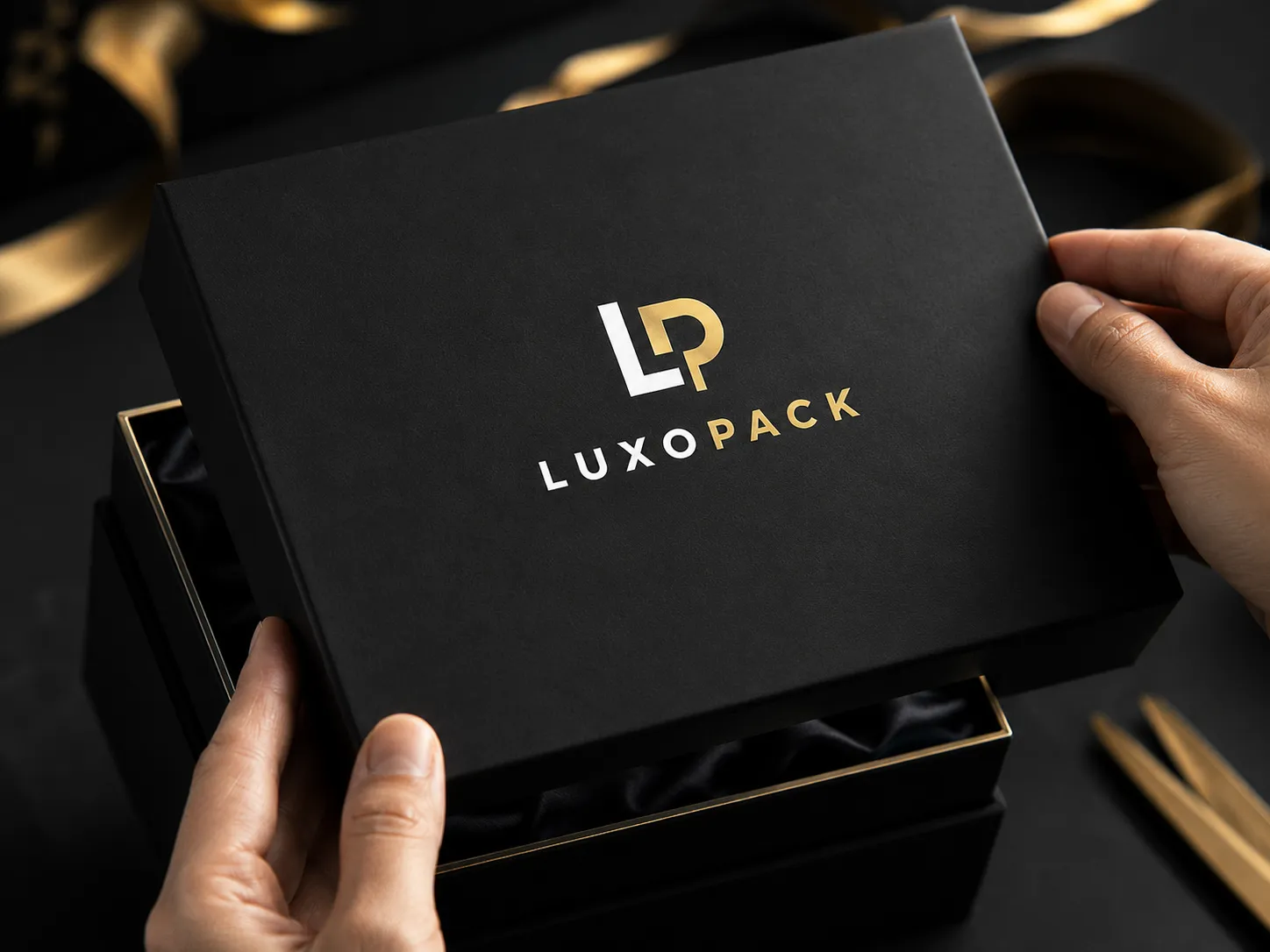
For many premium startups, the "1,000 unit minimum" is the biggest barrier to professional branding. But why should high-end unboxing experiences be reserved for corporations? We are rewriting the rules.
Updated September 11, 2026
1. Why 100pcs is the New 1000pcs
At LuxoPack, we’ve optimized our setup times to offer Low MOQ options starting at just 100 units for our signature Magnetic Rigid Boxes. This allows brands to test the market, launch limited editions, and maintain lean inventory without sacrificing the premium "snap" of a magnetic closure.
2. The "Hidden" Freight Saver: Collapsible Rigid Boxes
One major cost in magnetic rigid box wholesale is the "shipping of air." Our engineered foldable rigid boxes ship 100% flat. This innovation reduces international freight costs by up to 60%, making luxury packaging financially viable for brands across the US and Europe.
3. Maximizing the Unboxing Vibe
Luxury is a tactile experience. Even at low volumes, you can implement high-end finishes like Soft-Touch lamination or custom EVA foam inserts. These elements turn a simple box into a keepsake, driving social media "unboxing" shares that cost nothing in ad spend.
What Actually Drives MOQ at a Rigid-Box Factory
Minimum order quantities are not arbitrary. A rigid box run has fixed costs that do not shrink with quantity: the die for the greyboard, the printing plates for the wrap paper, the make-ready time on the laminator and the labour of setting up the wrapping and assembly stations. Spread over 100 boxes those costs dominate the unit price; over 2,000 they almost disappear. The MOQ a factory quotes is the point at which it can absorb those fixed costs without the unit price becoming absurd.
Board sheet yield is the other constraint. Greyboard arrives in standard sheet sizes, and a box whose panels tile the sheet efficiently wastes little; an awkward size can waste a third of every sheet, which pushes the minimum up.
Spec Choices That Keep Small Runs Affordable
- Use a standard interior size from the factory's existing die library instead of a bespoke dimension.
- Print the wrap paper in CMYK rather than spot Pantone colours, which need separate plates and ink mixing.
- Choose one finish, not three: foil or embossing or soft-touch, each adds a make-ready.
- Specify a die-cut paperboard insert rather than moulded EVA foam, which needs its own tooling.
- Keep the magnet count to the minimum the lid size needs.
Each item on this list removes a fixed cost from a small order. A 100-piece run that follows all five will often cost less per unit than a 300-piece run that ignores them.
A Realistic Sample-to-Bulk Timeline
Small orders follow the same production stages as large ones, so the calendar does not shrink much with quantity. Expect a digital mockup first, then a physical structural sample for fit and closure checks, then artwork sign-off, then production and packing. Approval delays on the buyer's side are the most common reason a small order runs late, because the factory schedule slot is released when the sample is not signed off in time.
Before placing a 100-piece order, ask four questions: is the price per unit or per run, is the sample charged and credited, what is the reorder MOQ, and is the die kept for a repeat order. The answers separate a genuine low-MOQ programme from a one-off favour.
Want to see our quality first?
→ Explore Full Catalog